By Hannah Santenac
If you suffer from depression, it’s likely you feel utterly, desperately — sometimes unbearably — alone. It is, after all, an illness of alienation. It drags you down, steals your joy, robs you of your energy and enthusiasm, and distances you from others.
But the truth is, you’re far from alone. More than 20 million people in the U.S.
suffer from mood disorders. That jaw-dropping number is proof positive that there are millions of other people who share your pain, and I’m one of them.
I suffered from
depression for 16 years. Though there were times I came close to giving up, I didn't. And for those of you who feel you’re suffering alone, I want you to know that you’re not. There is help. There is hope. And there is a light at the end of the tunnel, I promise. Here’s how I found mine.
1. Be kind to yourself.
Negative self-talk is depression’s modus operandi. It’s all about hating yourself, turning your anger inward and being nasty to the most important person in your life, YOU. You’d never treat a suffering loved one that why, so why yourself? Be kind. Be forgiving. Love the wondrous creation that you are. Therapy helps here, too.
2. Get enough vitamin D.
Via sunshine, that is. There are few things that can boost a mood like a little time in the sun. Human beings were born to be outdoors, and in our overly sedentary society, we don’t spend nearly enough time in nature. Even when all you want to do is hide under the covers and cry, force yourself to go outside. It helps.
3. Eat good food.
Bad food makes you feel bad. Trust me on this. And while junk food, sugary crap and caffeine may make provide a temporary boost, they’re hurting your emotional health in the long run. Don’t worry about overhauling your entire diet immediately, but try to start making better choices.
4. Sleep.
I can’t stress this enough. I’ve learned that without
proper sleep, my entire equilibrium gets screwed up. Try to normalize. Avoid electronic devices in your bedroom, go to sleep at the same time every night, and try supplements like melatonin if you have trouble falling asleep.
5. Explore holistic treatments and supplements.
While traditional medicine has its place, holistic medicine works on the mind-body connection. Holistic practitioners will look at the big picture and customize a solution via supplements, acupuncture, energy medicine, or whatever works best for you.
6. Meditate.
This is HUGE. Meditation
changes your brain, and it’ll change your life right along with it. It helps to stop negative thoughts, reduces stress and heals you from the inside out. If you’re new to it, start small — a few minutes a day.
7. Lean on your friends.
Having a support network can make all the difference in the world. And while a lot of folks may not understand your suffering, I guarantee that there are people in your life who will (or at least they’ll try to). Don’t shut them out. Talk to them, share with them and reach out when you’re in despair.
8. Ask for help.
Always, always, always ask for help when you need it. It’s out there, but you have to be the one to take the first step. And the second. And the third. People want to help you, but you have to help yourself first. There are doctors, therapists, hotlines, friends, family members, support groups and countless other ways to get assistance. Explore them.
9. Avoid drinking and drugs.
Sadly, this is one of the first ways people with mood disorders tend to cope. But short term relief leads to long-term suffering. Try to cut these influences out of your life and replace them with other things on this list.
10. Move your body.
Exercise is the most underrated
antidepressant. Incorporating regular activity into my routine absolutely changed my life. I’m not saying you need to be the next Jillian Michaels, but your body wants to move. It was made to move. When you’re depressed, I know it’s the last thing you want to do, and the first thing you need to do. Force yourself. Walk, run, play, skip, swim, cycle — the activity itself doesn’t matter. Pick something you don’t hate, and start moving on a daily basis as best you can.
I’m no doctor, so please, don’t forget to ask for medical help when you need it! But I am someone who’s been where you are, and this is how I got through. Hang in there, you gorgeous creature. There’s sunshine up ahead.
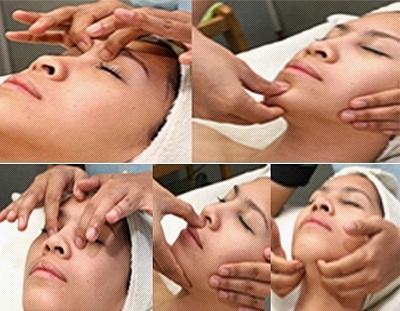


As Dr. Guyuron said, “Our findings put science behind the idea that volume replacement rejuvenates the face."
In other words, plastic surgeons can use the finding that fuller faces appeared younger after age 40 as “proof” that injectable filler plastic surgery procedures can make you look younger. Already, more than 1.5 million such procedures were performed in 2007, according to ASPS statistics.
But to me, the REALLY interesting part of this study has nothing to do with going out and having your face injected with fat in an attempt to look a few years younger. Instead, what struck me was the finding that your life experiences shape the look of your face as you age, far more than your genes do.
People who had been through the stress of a divorce looked nearly two years older than their married, single or even widowed twin. Those who used antidepressants also appeared significantly older. The researchers attributed this to the drugs causing continued relaxation of the facial muscles, which led to sagging, but it could also be that those taking antidepressants were under some type of psychological stress.
For those of you who are regular readers, you’ll know that this lends further credence to the emerging and incredibly interesting field of epigenetics, which centers around the notion that environmental factors such as stress and your diet influence the expression of your genes.
And it is the expression of your genes -- NOT the genes themselves -- that dictates whether you develop certain diseases or age prematurely.
How Stress Shapes Your Genes
Parents often joke about how their grey hairs all magically appeared after their kids were born. Likewise, if you’ve ever watched someone go through a divorce or other emotionally trying time, they can seem to age 10 years in a matter of months.
Even if you’ve faced just a few stressful days in a row, you’ll often be able to see it written all over your face.
These are prime examples of the toll stress can take on you physically.
As proven through the massive genetic study, the Genome Project, each one of your genes can create up to 30,000 proteins, any and all of which can create a different outcome. So the fact that you may have a genetic “predisposition” for facial wrinkles, for example, does not mean that you are doomed to develop a face full of wrinkles during middle-age.
There is something that either activates or suppresses your genes, and research by Bruce Lipton, PhD., a forerunner in the field of epigenetics and The New Biology, has shown it is often related to your mind.
In other words, whether you are mentally stressed or able to maintain a more positive outlook can influence the expression of your genes, and thus directly impact how you age.
Consider a study done back in 2001, which assessed how quickly the skin of medical students could recover from having a piece of sticky tape applied to it. What they found was skin recovery seemed to be directly linked to stress levels -- with high stress during exams associated with a decreased ability of the aggravated skin to return to normal function.
They concluded that stress lessens your skin's ability to function properly, heal wounds and fight disease, and could put you at an increased risk of skin diseases like psoriasis or dermatitis.
Meanwhile, scientific data has revealed that extended exposure to psychological stress could speed up the aging process of your cellsand cause them to die at a faster rate than normal.
Taken as a whole, what this means is your body’s ability to resist and adapt appropriately to both internal and external stresses is essential for good health, and the hallmark of aging is your body’s inability to withstand stress, which then starts to degrade it.
The solution, therefore, to preventing premature aging and having a youthful appearance on the outside is to effectively deal with your stress, and teach your body how to best tolerate it. This is great news, as it means that you have the ability to directly influence the way you age, simply based on your mental outlook.
Top Tips for Effectively Dealing With Stress
The key is not getting rid of stress completely, as we all face stressful situations from time to time (even exercise is a form of stress), but rather adjusting your body’s ability to tolerate the stress. Here are my top tips for doing so:
• Exercise. Physical activity is an excellent way to relieve tension and ward off the physical consequences of stress. Studies have shown that during exercise, tranquilizing chemicals, endorphins, are released in your brain, making exercise a natural way to bring your body pleasurable relaxation and rejuvenation.
• Get plenty of sleep. Regularly catching only a few hours of sleep can hinder metabolism and hormone production in a way that is similar to the effects of aging and the early stages of diabetes. Plus, your body needs high-quality sleep to help it deal with stressful situations.
• Optimize your diet. Eating the right foods for your nutritional type can have a direct impact on your mood. It’s also important to get plenty of omega-3 fat, from fish oil or krill oil, as it can help to reduce psychological distress and depressive symptoms.
Omega-3 fats also help to normalize skin lipids and prevent dehydration in your cells. This keeps skin cells strong and full of moisture, which can help to decrease the appearance of fine lines.
What Else Can You do to Look Younger?